
- Categories
- Main courses (12806)
- Bakery and desserts (12068)
- Appetizers (5704)
- Salads (4899)
- Soups (3502)
- Drinks (2372)
- Breakfast (2278)
- Pasta and pizza (1930)
- Sauces and marinades (1410)
- Sandwiches (562)
- Risotto (313)
- Broths (106)
Onion skins
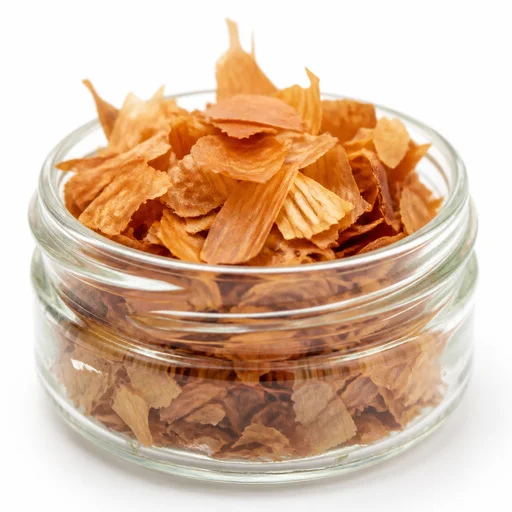
The dry outer scales of the onion, golden-brown, as a natural colourant for eggs and broths.
Onion skins are the dry outer scales of the onion of a golden-brown colour, rich in natural colouring compounds and a light onion aroma. They are used as a natural colourant for Easter eggs, broths, brawn and brine, and also for smoking, colouring salo and tinting cooking liquids.
Recipes with this ingredient
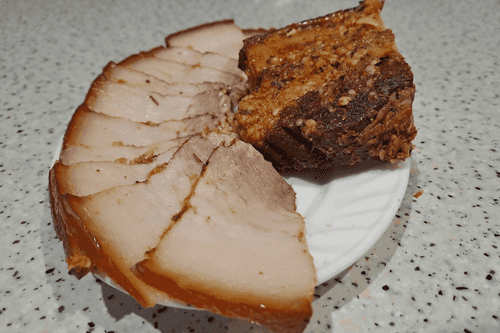
Lard boiled in onion peel is an ancient recipe from European culinary traditions. Thanks to the peel, it acquires an appetizing golden hue and rich aroma. Spices and garlic enhance the flavor, combining spiciness with the tender texture of the lard. This dish is perfect for serving cold; it is often used as an appetizer for strong drinks or as a complement to rustic bread. After boiling and marinating, the lard becomes soft and juicy with a light spicy aftertaste. It stores well in the refrigerator, and its flavor develops further over time, becoming richer. This preparation makes lard not just a product but a true gastronomic delight that combines centuries-old traditions with the art of taste.
11
12
60
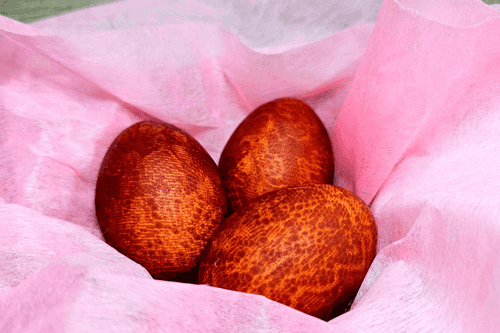
Lace Easter eggs are a unique and elegant way to decorate traditional Easter dyed eggs. This dyeing method has roots in ancient Russian traditions where onion skins were used to create a deep, warm hue on the shell. Lace gives the eggs an exquisite pattern, turning them into true works of art. The taste of such eggs remains natural, but their appearance makes the holiday even more atmospheric. They will adorn the Easter table and symbolize rebirth, purity, and spring renewal. After preparation, the eggs are coated with oil for shine and completeness. These eggs are not only pleasant to gift but also to serve at family tea gatherings where every detail is infused with warmth and tradition.
4
10
120
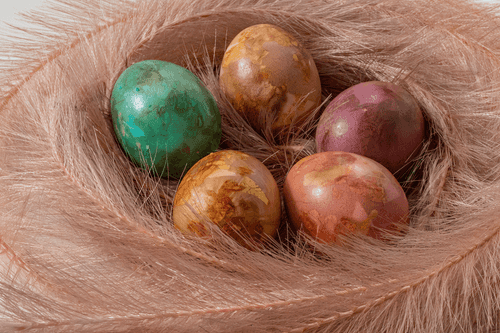
Marbled dyed eggs are a traditional Easter symbol of Russian cuisine, reflecting the richness of cultural heritage. This dyeing method gives the eggs a unique pattern resembling fine marble. Onion skins create a natural and warm hue, while using nylon stockings helps preserve the unique texture. Such eggs not only decorate the festive table but also become part of family traditions, adding special meaning to the Easter celebration. Their taste is no different from regular boiled eggs, but their shine and pattern make them particularly appealing. They are served as decorations, used in Easter treats, or given to loved ones as a symbol of spring renewal and a bright holiday.
5
5
60
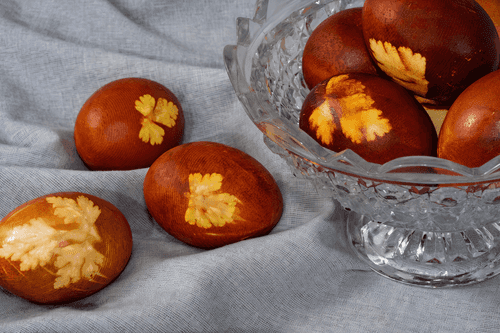
Onion skin eggs are a traditional dish of Russian cuisine, especially popular during Easter. The method of dyeing eggs with onion skins has been known since ancient times and is valued for its naturalness and beautiful marbled pattern. Eggs prepared this way acquire a warm golden-brown hue, while green leaves applied to the shell create a delicate natural ornament. The taste of these eggs remains classic, but they become a special decoration for the festive table. This simple yet elegant dyeing method preserves the connection to traditions, filling the kitchen with the aroma of warm family coziness. Chilled and peeled, they are perfect for serving, creating an atmosphere of celebration and home warmth.
5
10
30
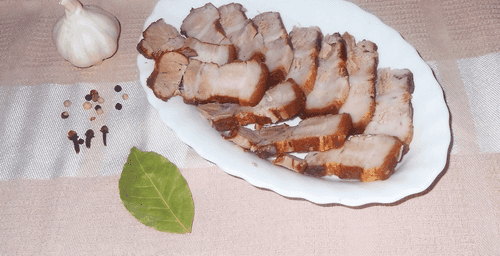
Hot salted lard is a true symbol of Ukrainian cuisine, embodying the traditions and craftsmanship of generations. This cooking method gives the product an amazing aroma and tender texture. Onion peel and bay leaf fill it with spicy notes, while garlic and black pepper add zest. After prolonged infusion, the lard acquires a rich flavor and appetizing softness, and the final coating in spices makes it even more tempting. It is perfect as a standalone snack or as an addition to borscht, fresh bread, and pickles. This is not just a dish — it is a piece of history that warms the soul with its traditional simplicity and unique taste.
8
6
60

Easter eggs dyed in onion skins are a traditional Russian method for coloring eggs for the bright holiday of Easter. This method has been used for centuries, allowing for a natural, warm hue without chemical dyes. Onion skins give the eggs a rich, velvety reddish-brown color, and the natural patterns make each egg unique. The taste of the eggs remains familiar, but the preparation process fills the home with an atmosphere of coziness and ancient traditions. These eggs are not only a symbol of rebirth and new life but also an ornament for the festive table and a great way to spend time with family while creating beauty by hand.
2
4
60
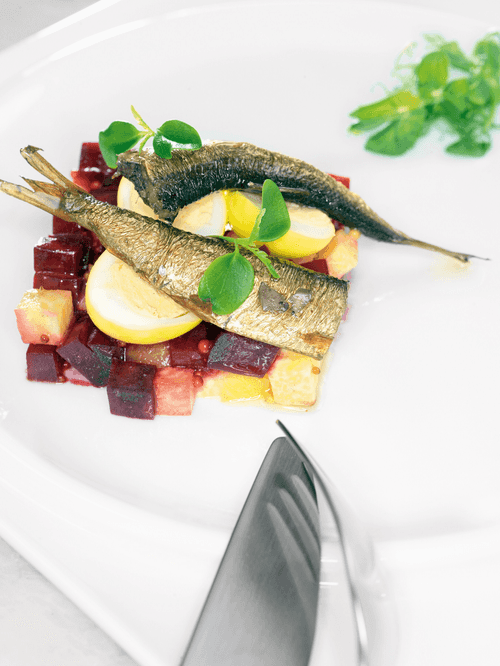
A convincing balance of proteins, fats and carbohydrates. Sprats in the company of tender quail eggs and baked beets with turnips, taken in equal proportions.
12
4
60
Lard in onion peel is a traditional dish of Russian cuisine, known for its rich aroma and soft texture. Onion peel gives the lard an appetizing golden hue and a slight spicy bitterness, while spices and garlic add depth of flavor. This salting method has been used for centuries to preserve the product and give it a special sophistication. After boiling and infusing, the lard becomes tender, easily sliced, and pairs wonderfully with rye bread, mustard, or pickles. It is served as an appetizer or used as an ingredient in more complex dishes. Chilled and slightly frozen, it perfectly complements traditional Russian drinks, creating an atmosphere of home comfort and a true feast.
6
15
30
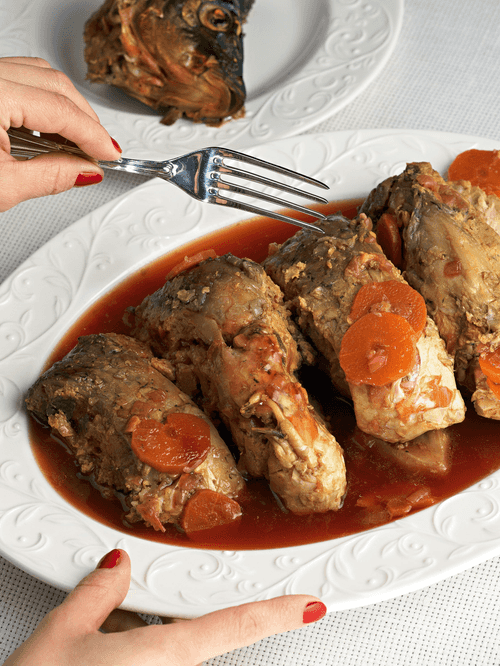
Stuffed carp, which according to Jewish tradition is eaten cold. The carp is cooked surrounded by slices of vegetables, which will give the fish juice, so try to find tasty beets and tasty carrots.
9
6
180
Boiled lard is a dish that has taken root in Russian cuisine due to its simplicity and amazing taste. It combines a tender, fatty texture with a rich aroma of spices. Boiling lard in brine with bay leaves, black pepper, and onion skins makes it special: it acquires tenderness, a slight spiciness, and a subtle smoky flavor. This cooking method helps preserve the product for a long time while deepening its taste. Boiled lard pairs wonderfully with black bread, mustard, or garlic, creating a hearty and rich snack. In Russia, it is traditionally prepared for feasts and taken on the road as it is convenient to store and nutritious. A true delight for lovers of Russian cuisine!
6
6
30
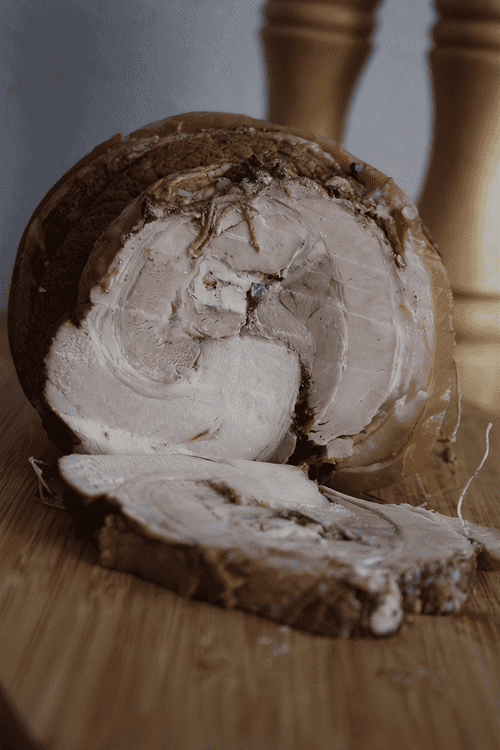
Pork roll in onion peel is an ancient dish of Russian cuisine, infused with the aromas of spices and a light hint of onion smoke. This recipe, rooted in peasant feast traditions, uses a simple yet effective method to impart rich flavor to the meat. Onion peel not only gives the dish a golden hue but also fills it with subtle caramel notes. After being marinated in spicy brine for a long time, the pork becomes incredibly juicy, while spices like bay leaf, rosemary, and cinnamon add depth of flavor. Sliced thinly, the roll pairs perfectly with homemade sauces, fresh vegetables, and crispy bread. This dish is suitable for both festive tables and cozy family dinners.
10
8
70
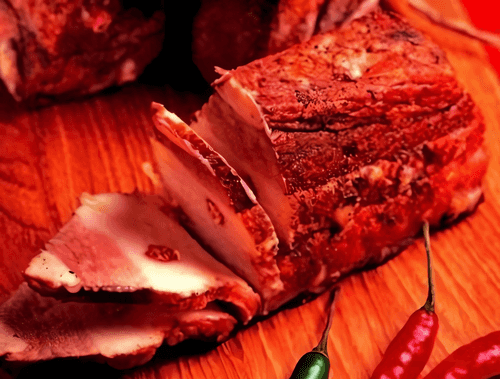
Salted lard in onion peel is an ancient recipe of Russian cuisine known for its rich taste and aroma. Onion peel gives the lard a golden hue and subtle spicy notes, while garlic adds piquancy. This dish is perfect as an independent snack or as an addition to traditional borscht or black bread. Historically, such salting methods were used for long-term storage of lard, and the specific cooking technology makes the product soft and tender. After cooling, the lard acquires a dense texture and becomes a true gastronomic find for lovers of rustic flavors. This cooking method makes it not only tasty but also aesthetically appealing, and its deep, rich flavor pairs wonderfully with fresh vegetables and homemade drinks.
7
6
35