

- Categories
- Main courses (12806)
- Bakery and desserts (12068)
- Appetizers (5704)
- Salads (4899)
- Soups (3502)
- Drinks (2372)
- Breakfast (2278)
- Pasta and pizza (1930)
- Sauces and marinades (1410)
- Sandwiches (562)
- Risotto (313)
- Broths (106)
Grape leaves
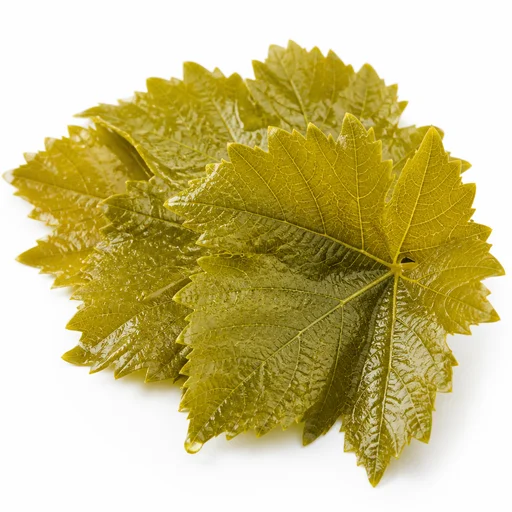
Young vine leaves (fresh or brined) for dolma and roasting.
Grape leaves are young vine leaves, fresh or brined, with a slight tang. They are wrapped around a rice-and-meat filling for dolma and used as an aromatic bed for roasting.
Calories, proteins, fats and carbohydrates per 100 g of product
Grape leaves, Raw: Calories 93.0 kcal, Proteins 5.6 grams, Fats 2.1 grams, Carbohydrates 17.3 grams per 100 g of product.
Recipes with this ingredient
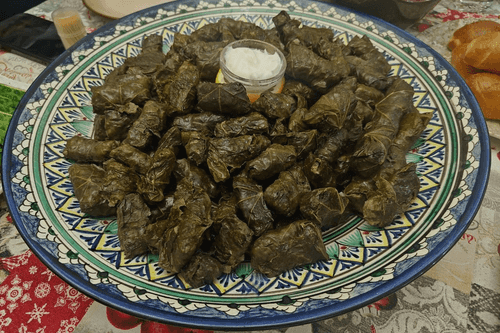
Azerbaijani dolma is a culinary heritage that dates back to ancient times when grape leaves were used for storing and preparing food. This dish harmoniously combines juicy meat, aromatic spices, and thin grape leaves that add a special texture and richness of flavor. Dolma is tender with a slight tang from the leaves and a rich meaty aroma. It is served hot with sour cream, making the taste even softer. This dish is often prepared for holidays and family celebrations, symbolizing the hospitality and traditions of Azerbaijani cuisine. Thanks to the right combination of ingredients, dolma remains juicy and rich, filling the home with warmth and coziness.
12
8
60
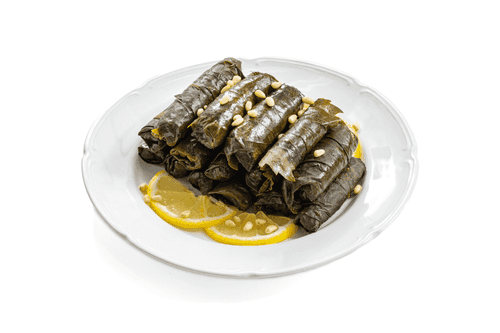
Turkish dolma with rice is a gastronomic masterpiece of Ottoman cuisine, infused with the aromas of the Mediterranean and the East. Tender grape leaves wrap a spicy filling of rice, pine nuts, raisins, and fresh herbs, giving the dish sweet-spicy notes. Dolma is not just food but a symbol of hospitality, often served at family gatherings and festive events. With the harmonious combination of lemon's acidity, rich olive oil flavor, and spices, it gains exquisite depth. It can be enjoyed both hot and cold, savoring the softness of the filling and the delicate aroma of the leaves. Dolma pairs perfectly with yogurt sauces and fresh vegetables, turning a meal into a true journey through Turkish culinary traditions.
18
6
120
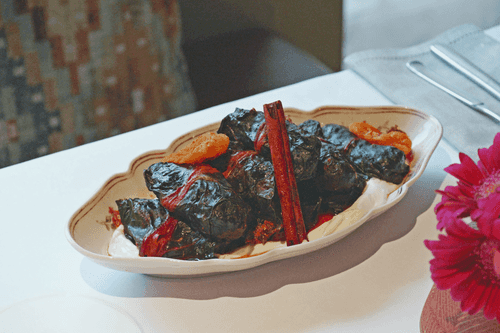
Ilya Cherkashin, chef of the Saviv restaurant, shared the recipe with us.
16
6
90

The recipe is taken from the book by A. Piruzyan "Armenian Culinary Arts" (1960).
14
1
45
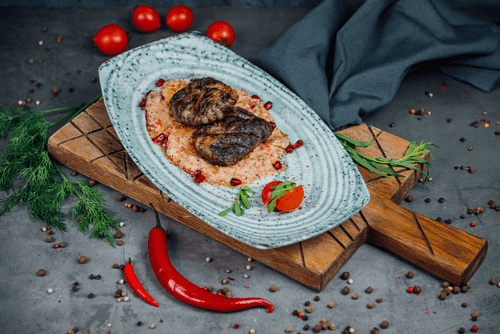
The recipe was shared with us by Gaik Egiazaryan, chef of the Erti restaurant.
14
6
45
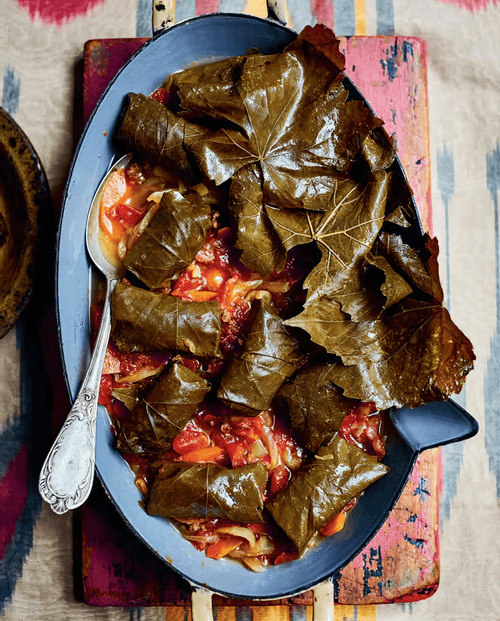
The recipe is taken from the book "Samarkand. Recipes and Stories of Central Asia and the Caucasus" by Caroline Eden and Eleanor Ford. "Stuffed grape leaves are popular from Central Asia to Turkey and from the Mediterranean to Eastern Europe. The filling usually consists of meat and rice, and cabbage or simply hollow vegetables can be used instead of grape leaves. In Tashkent, I tried an exquisite dolma with spicy meat, which did not contain rice. At the same time, dolma is more of a part of the snack table than a full-fledged main course.
16
6
60
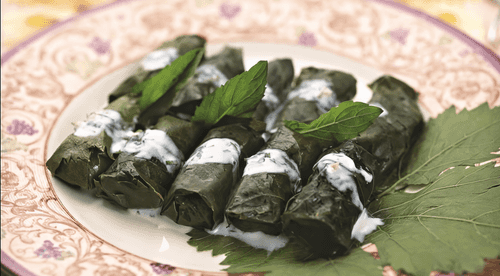
Dolmadakia is an exquisite dish of Greek cuisine that reflects the ancient traditions of the Mediterranean region. Originally prepared by Bedouins and peasants using vitamin-rich and aromatic grape leaves, the combination of minced meat, rice, fresh herbs, and lemon juice creates a rich flavor with a subtle tanginess. Dolmadakia is served with a fragrant avgolemono sauce that gives the dish a silky texture and delicate acidity. The cooking process requires patience, but the result is delightful – tender rolls soaked in olive oil melt in your mouth. They are enjoyed warm or chilled, savoring their freshness and rich taste. This dish is perfect for family gatherings, symbolizing the warmth and generosity of Greek cuisine.
14
6
120
Dolma with beef is a refined dish of Armenian cuisine that embodies the traditions and flavors of the East. The history of dolma traces back to ancient Armenia, where grape leaves were used to preserve the juiciness of meat and the aromas of spices. In this version, a filling of beef, rice, and seasonings is wrapped in tender leaves, creating a harmony of flavors: the spiciness of cumin and oregano is complemented by the slight acidity of grape leaves. Stewing under pressure makes the filling tender, while the added yogurt sauce with roasted garlic gives it a creamy texture and zest. Dolma is traditionally served hot and pairs perfectly with aromatic Eastern spices and fresh herbs. This dish not only satisfies but also transports you to the warm atmosphere of Armenian feasts where food is an art and hospitality.
13
8
120
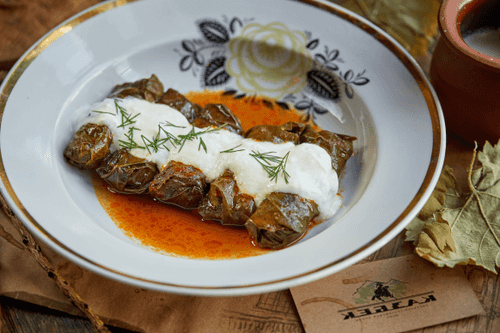
Tolma is a vivid example of the richness and diversity of Georgian cuisine. The dish is based on juicy minced beef and pork, complemented by aromatic herbs and spices. Wrapped in tender grape leaves, it acquires a special texture and unique taste with a slight tanginess. The dish has roots in ancient tradition when grape leaves were used to preserve the juiciness of meat. When served, tolma is garnished with matsoni, highlighting its richness and softness. It’s not just a treat — it’s a whole story encapsulated in each roll, in every flavor nuance that unfolds gradually.
11
10
45
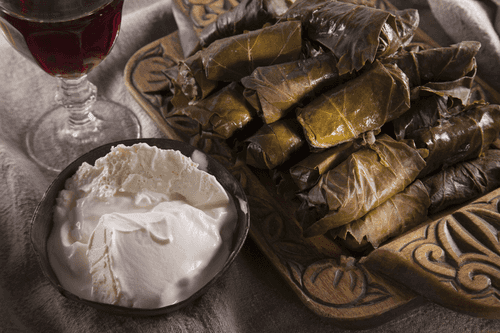
From the book by Gayane Breiova "Gayane jan's Kitchen. Armenian culinary recipes.
7
20
90
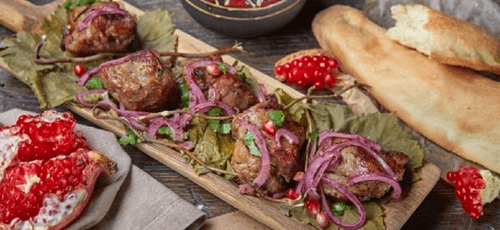
Lamb shashlik with grape leaves is a dish that embodies the spirit of Greek cuisine and its love for simple yet rich flavors. Tender lamb meat soaked in aromatic oil is grilled over coals, developing a crispy crust and a rich taste with a hint of smokiness. The addition of adjika adds spiciness, while fresh grape leaves provide softness and juiciness to the dish. Pomegranate seeds and red onion complete the composition, adding tangy-sweet and refreshing accents. This traditional dish is often served at Greek feasts, symbolizing warm hospitality and the art of enjoying food. Shashlik pairs perfectly with white wine or light vegetable sides, making the meal unforgettable.
8
1
30
Vegetarian dolmas with brown rice and mushrooms are a refined version of the classic dish, filled with rich flavors and aromatic spices. Dolma, traditionally popular in Mediterranean and Eastern cuisines, takes on the softness of mushrooms and a light nutty note from brown rice in this rendition. Grape leaves add a special piquancy and tenderness to the dish, while the addition of parsley, coriander, and paprika fills it with freshness and depth of flavor. Baked with tomato paste, they become juicy and fragrant, perfectly complementing vegetable and plant-based diets. These dolmas can be served as a standalone dish or as an appetizer alongside yogurt or nut sauce. Such a dish will delight not only vegetarians but also lovers of original flavor combinations, offering a harmonious and nutritious treat.
13
12
80
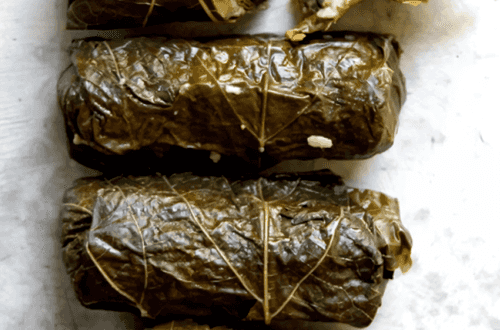
Dolma with peas is an exquisite dish of Greek cuisine that combines rich flavors and tender texture. Traditionally, dolma is made with meat and rice wrapped in grape leaves, but the addition of green peas gives it freshness and a light sweetness. The origins of this dish date back to ancient times when it was popular in the Mediterranean and the Balkans. The taste of dolma unfolds thanks to a harmonious blend of spices: saffron provides a delicate aroma, cinnamon adds warm Eastern notes, and lemon juice contributes a pleasant tanginess. Dolma is perfect as a hot dish but also works wonderfully cold as it absorbs sauces and spices. It is not only nutritious but also elegant, making any meal special.
13
4
90
Dolma with veal and prosciutto is an exquisite dish of Italian cuisine, combining the aroma of grape leaves and the tenderness of meat filling. The roots of this recipe trace back to the Mediterranean, where grape leaves served as natural wrappers for meat and vegetable fillings. The veal is carefully sautéed to a golden color, while the prosciutto and onion mixture adds a rich flavor to the dish. White bread soaked in milk makes the filling's texture airy and soft. Delicate grape parcels are simmered in white wine and water, absorbing aromas. Before serving, they are drizzled with lemon juice for a fresh tanginess. Dolma with veal and prosciutto is perfect as an appetizer or main course, filling the meal with Italian charm and sophistication.
13
6
90
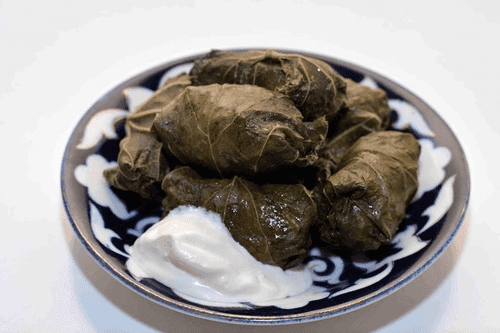
Armenian tolma is a culinary gem of Armenian cuisine that embodies the history and traditions of ancestors. Tender grape leaves enveloping fragrant minced lamb with rice and spices create a harmony of flavors infused with notes of fresh herbs and Eastern seasonings. The slight acidity of the grape leaves perfectly highlights the juiciness of the meat, while simmering in broth gives the dish tenderness and rich flavor. Tolma is not just a treat but a symbol of hospitality and family celebrations, always present on festive tables. It is enjoyed with matzun or garlic sauce, savoring every note of Eastern aroma. The taste of this tolma is a blend of rich heritage, comfort, and warmth passed down through generations.
14
5
60