
- Categories
- Main courses (12806)
- Bakery and desserts (12068)
- Appetizers (5704)
- Salads (4899)
- Soups (3502)
- Drinks (2372)
- Breakfast (2278)
- Pasta and pizza (1930)
- Sauces and marinades (1410)
- Sandwiches (562)
- Risotto (313)
- Broths (106)
Kimchi paste (yangnyeom)
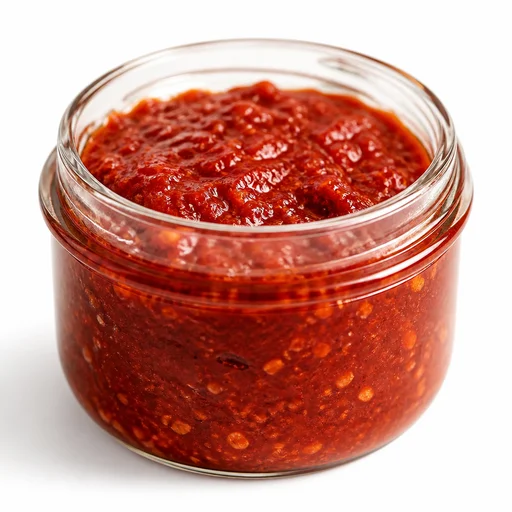
A thick, bright red spicy seasoning of chili flakes, garlic and fish sauce for making kimchi and dishes.
Kimchi paste (yangnyeom) is a thick, bright red seasoning for making kimchi of gochugaru chili flakes, garlic, ginger, fish sauce, salt, sugar and often cooked rice or pear, spicy, salty, with umami. It is rubbed onto napa cabbage leaves and radish for kimchi, and added to braised dishes, fried rice, soups, marinades and sauces.
Recipes with this ingredient
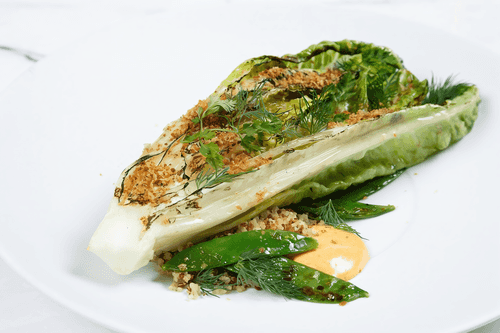
Recipe by Andrey Korobyak, chef of Yura restaurant.
15
2
30
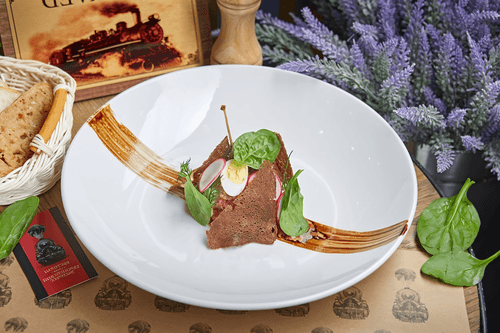
Parisian beef tartare with truffle aioli and rye bread croutons is a true masterpiece of French gastronomy, combining elegance and rich flavors. This recipe reflects the centuries-old tradition of consuming raw meat in European cuisine, paired with delicate sauces and crunchy textures. Finely chopped beef infused with a flavorful dressing featuring Worcestershire sauce, capers, and Tabasco reveals deep flavor complexity. A quail egg adds tenderness while Borodinsky bread chips and radish provide a crunchy contrast. Truffle aioli is an exquisite addition that imparts an earthy, refined note to the dish. This tartare is an ideal choice for gourmets who appreciate flavor balance and skillful texture combinations.
20
3
20
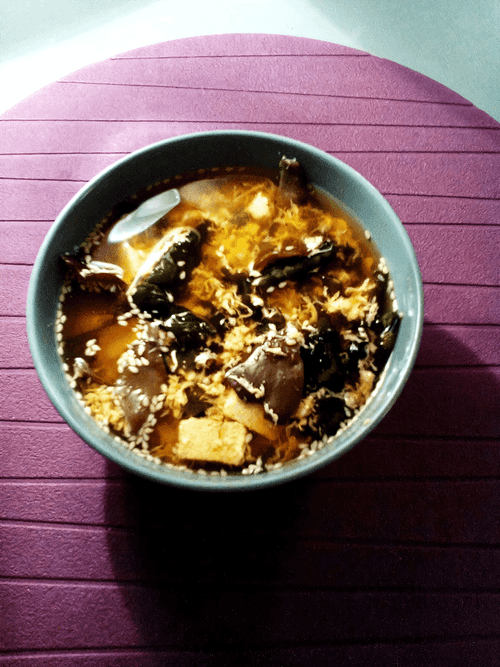
Kimchi soup with egg, tofu, and wood ear mushrooms is a vibrant embodiment of Asian cuisine that combines spiciness, tenderness, and deep umami flavor. This recipe draws inspiration from Japanese traditions but uses Korean kimchi paste that gives the dish a rich aroma and spicy note. Wood ear mushrooms add textural play while tofu provides softness and balance. Whipped egg white transforms the soup into a silky substance that's pleasant to the touch. This soup warms perfectly, awakening taste buds and creating a comforting sensation with every sip. It can be served as a standalone dish or alongside rice, enjoying the multifaceted flavors of Japanese cuisine with a light Korean accent.
7
1
15
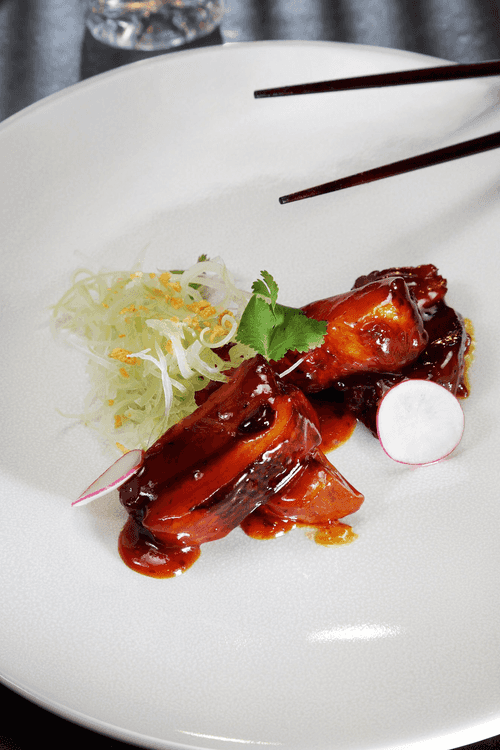
Ribs are the foundation on which a building of two dozen ingredients is built - among them hoisin and tobanjian sauces, cranberry jam, cornflakes and chu-hau paste.
19
8
70
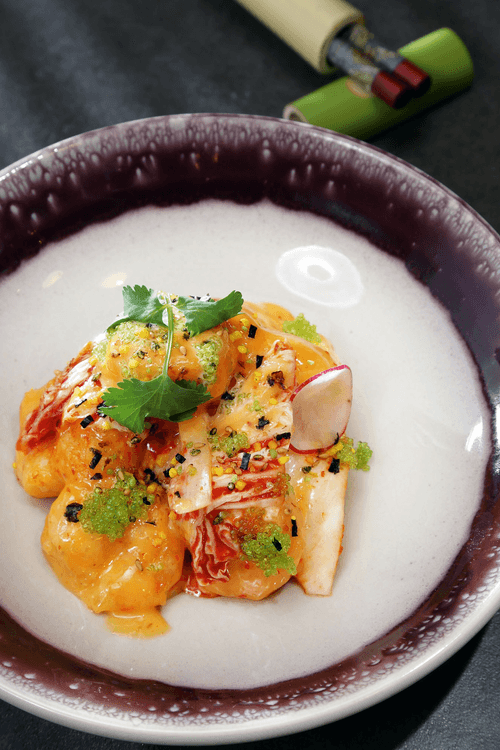
Shrimp in kimchi sauce is a refined dish of Pan-Asian cuisine, combining the crispy texture of shrimp with the rich flavor of spicy sauce. The recipe's origins trace back to Korean culinary traditions, where kimchi adds spiciness and depth to dishes. Tender shrimp, breaded and deep-fried, absorb the aromatic kimchi sauce with notes of lime, sake, and tobanjan. Cilantro leaves and thin radish slices add freshness, while green tobiko caviar provides a light sea saltiness. Furikake gives the dish a distinctive Japanese accent. It's the perfect treat for those who appreciate vibrant flavor combinations and enjoy the harmony of spicy, crispy, and juicy.
17
8
30
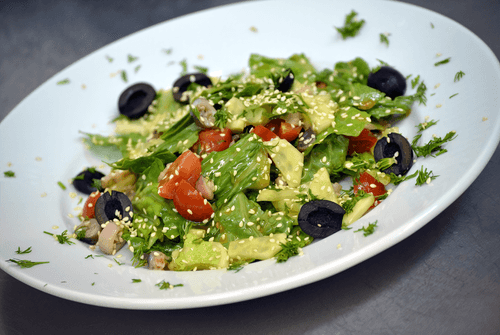
Vegetable salad with octopus is a harmony of freshness and marine flavor inspired by Pan-Asian cuisine. This recipe combines tender octopus meat, crunchy vegetables, and a spicy dressing based on lemon and lime juice, soy sauce, and kimchi paste. The octopuses are first boiled and then sautéed with oyster sauce for a rich flavor. Lettuce leaves, cucumbers, and cherry tomatoes create a fresh base while olives and sesame add interesting textures. The dressing adds brightness to the dish while dill finishes it off with an aromatic touch. This salad is perfect for a summer lunch or light dinner served with a glass of white wine. It combines the softness of seafood with refreshing spiciness, turning the meal into a culinary journey.
13
2
20
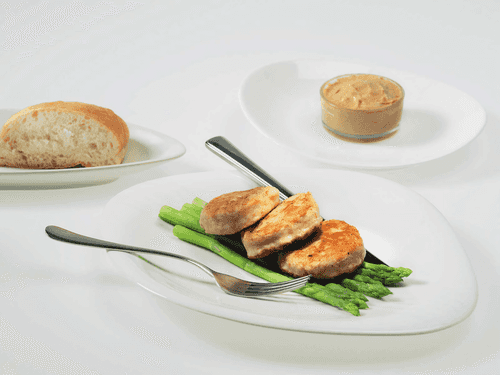
A classic from the early 2000s, when Kamchatka crab was a regular in every first Moscow restaurant, becoming a favorite of wealthy Muscovites. Most likely, the first to come up with the idea of making crab cutlets was Yuri Rozhkov, a wonderful chef at the legendary Vogue Café on Kuznetsky Most. These weren't some crabcakes — American crab cakes always have mayonnaise, which coarsens the overall taste, while in these cutlets, cream is added to the mince, emphasizing the delicate crab spirit, and crab sticks easily coexist with the phalanx meat, without reducing the pathos of the dish at all, but at the same time slightly reducing the cost of its preparation. Crab cutlets are also good because temperature is not important for them: cold, they are just as tasty as hot.
13
10
30