
- Categories
- Main courses (12806)
- Bakery and desserts (12068)
- Appetizers (5704)
- Salads (4899)
- Soups (3502)
- Drinks (2372)
- Breakfast (2278)
- Pasta and pizza (1930)
- Sauces and marinades (1410)
- Sandwiches (562)
- Risotto (313)
- Broths (106)
Horse meat
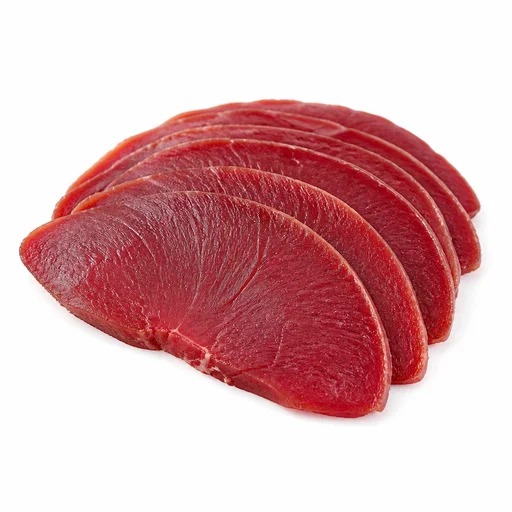
Dark red horse meat with firm fibres and low fat for boiling, kazy and beshbarmak.
Horse meat is dark red meat of the horse with firm fibres, a sweetish taste, a low fat and cholesterol content and a high content of protein and iron. It is boiled in large pieces, braised, dried, smoked, and used for kazy, shuzhuk, beshbarmak, rich broths and mince.
Calories, proteins, fats and carbohydrates per 100 g of product
Horse meat, Raw: Calories 133.0 kcal, Proteins 21.4 grams, Fats 4.6 grams, Carbohydrates 0.0 grams per 100 g of product.
Horse meat, Baked: Calories 175.0 kcal, Proteins 28.1 grams, Fats 6.1 grams, Carbohydrates 0.0 grams per 100 g of product.
Recipes with this ingredient

Braised horse meat is a traditional dish of Tatar cuisine that embodies simplicity and richness of flavor. This dish has its roots in ancient nomadic traditions when horse meat was a primary food source. Horse meat soaked in aromatic spices and mustard acquires a rich taste with a slight spicy note after frying. Slow braising in broth makes the meat tender and juicy, while the addition of potatoes and Tatar vegetable sauce enriches the dish with textures. It is not just food but a true symbol of home comfort and hospitality, perfectly suited for warm family dinners or festive gatherings.
8
4
90
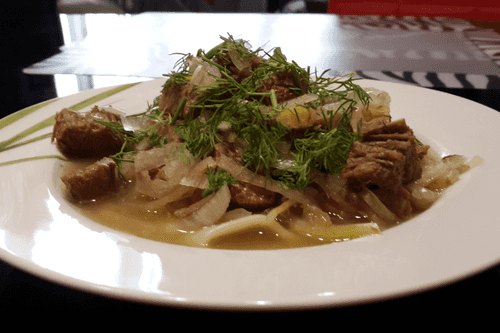
Beshbarmak is the soul of Kazakh cuisine, a dish symbolizing hospitality and the traditions of the steppe people. Its name translates to 'five fingers', reflecting how it is eaten — by hand, among family and friends. The base consists of tender horse meat slow-cooked in aromatic broth and thinly rolled dough sheets infused with meat flavor. Onions added at the end provide zest, while herbs add freshness. Beshbarmak is not just food; it is a ceremonial dish served at festive events and celebrations. It nourishes the body and warms the soul, reminding one of the endless steppes of Kazakhstan and ancestral traditions.
8
12
150
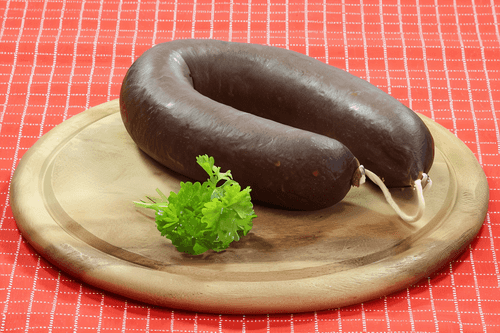
Shuzhuk is a traditional boiled meat sausage popular in Turkic cuisine. Its history dates back to ancient times when nomadic peoples prepared meat for long journeys. Horse meat, infused with the aromas of garlic and salt, is gently aged for several days, then carefully stuffed into natural horse intestines, hung to dry, and boiled until ready. The result is a juicy, rich sausage with a deep meaty flavor and slightly spicy notes. Shuzhuk is great as a standalone dish or appetizer, served with greens and fresh vegetables. It symbolizes a careful attitude towards traditions and the art of meat preparation passed down through generations.
5
5
360
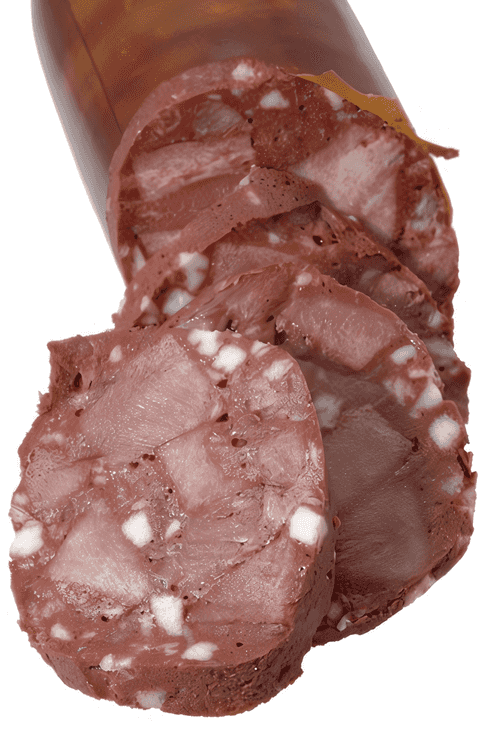
Kazy is a traditional sausage made from horse meat and an important part of Turkmen cuisine. This delicacy has deep historical roots as horse meat played a key role in the diet of nomadic peoples. The taste of kazy is rich and aromatic with pronounced notes of cumin and pepper, while the texture is dense with a pleasant firmness. There are various cooking methods: it can be boiled, dried or smoked depending on preferences. Dried kazy has a deep, concentrated flavor; smoked kazy acquires spicy notes; and boiled kazy retains the juiciness of the meat. Kazy is served at festive tables, embellishing national dishes and highlighting the gastronomic richness of Turkmen cuisine. It can be eaten as a standalone dish sliced thinly or used in meat assortments.
6
6
180
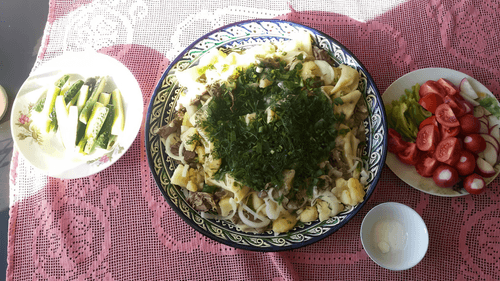
Beshbarmak is the soul of Kazakh cuisine and a true embodiment of steppe hospitality. The name of the dish translates to 'five fingers' as it is traditionally eaten with hands. It is a hearty and aromatic dish made from boiled horse meat, lamb, and traditional noodles soaked in rich broth. Tender slices of meat are combined with soft layers of dough, while fresh herbs and onions add zest. The origins of beshbarmak date back to ancient times when nomads prepared it during large gatherings and celebrations. Today it is served at family feasts and ceremonial events, symbolizing unity and hospitality. The rich flavor of the meat broth warms the soul, while the delicate texture of the noodles and meat provides true enjoyment. Beshbarmak is not just food; it is a ritual, a tradition, and a symbol of Kazakh heritage.
12
8
180