




- Categories
- Main courses (12806)
- Bakery and desserts (12068)
- Appetizers (5704)
- Salads (4899)
- Soups (3502)
- Drinks (2372)
- Breakfast (2278)
- Pasta and pizza (1930)
- Sauces and marinades (1410)
- Sandwiches (562)
- Risotto (313)
- Broths (106)
Gochujang
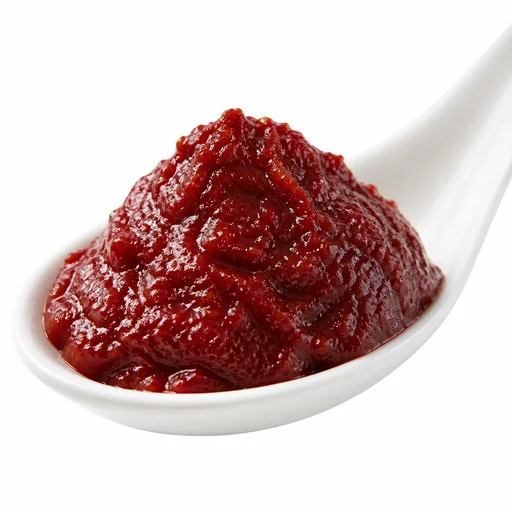
A thick dark red Korean fermented paste of glutinous rice and red pepper, spicy and sweetish, for tteokbokki and bibimbap.
Gochujang is a thick dark red Korean fermented paste of glutinous rice, red pepper powder, soybeans (meju) and salt, spicy, saltish-sweet, with a deep umami taste. It is used in tteokbokki, bibimbap, barbecue sauces, marinades for meat, stews (jjigae), dressings and as a dip for vegetables.
Recipes with this ingredient
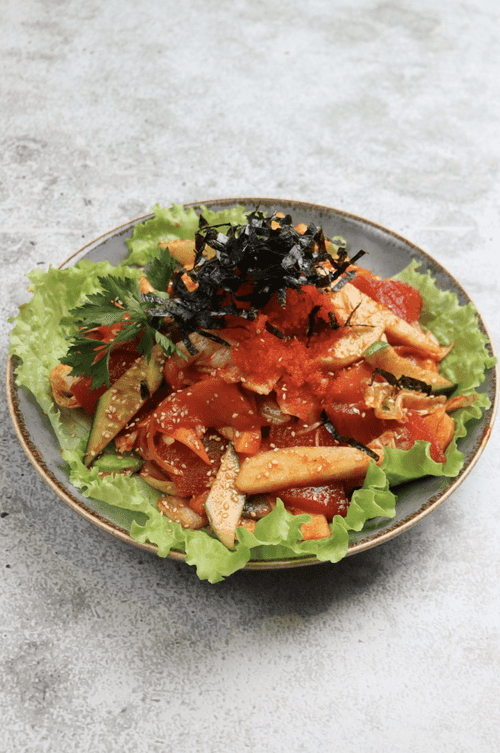
The chef from the Kimchi restaurant shared the recipe with us.
17
4
20
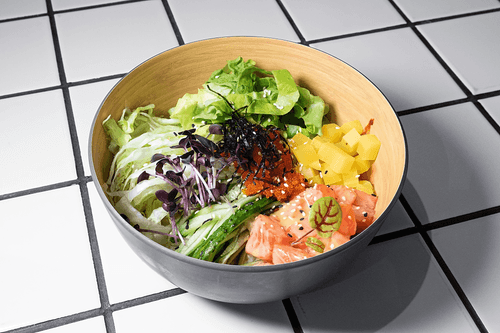
Recipe provided by Dmitry Son, chef of the K-town Korean BBQ restaurant.
15
2
20
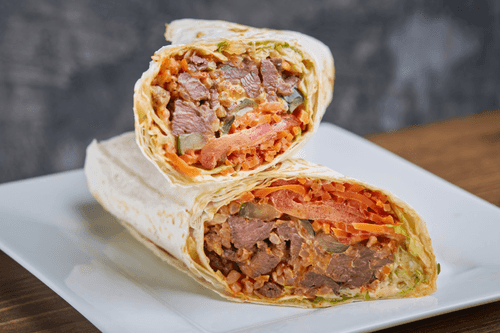
Recipe provided by the chef of the K-Town restaurant.
20
4
30

Chicken with mushrooms and kochujang pasta is a fragrant and spicy dish of Korean cuisine that captivates with its rich flavor and tender texture. Kochujang, a traditional fermented red pepper paste, adds spiciness, a deep savory note, and a characteristic sweet-umami touch to the dish. Mushrooms and chicken fillet create a harmonious combination of tenderness and richness, while carrots and onions add freshness and light sweetness. This dish pairs perfectly with boiled rice or noodles, making it an excellent choice for a hearty dinner. In Korea, such recipes are often used as everyday food and served at feasts where rich flavor and appetizing aroma are appreciated. Bright spices and a rich sauce make this dish unforgettable for lovers of Korean cuisine.
8
1
20
This sauce is ideal for meat and pork dishes.
8
4
10
Onion pie with Monterey Jack cheese is a fragrant dish that combines the tenderness of melting cheese and the rich flavor of marinated meat. American cuisine is known for comfort food, and this pie is a great testament to that. Its creation story traces back to culinary experiments with Korean marinades that give the meat a unique depth of flavor. The sweet caramelization of onions combined with spicy cheese makes the pie perfect for a cozy family dinner or friendly gatherings. Its texture—soft inside and crispy crust outside—turns each serving into a gastronomic delight. It pairs wonderfully with refreshing salads and spicy sauces, enhancing the palette of taste sensations.
13
4
90
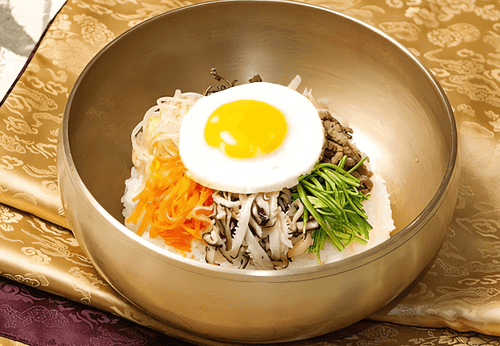
Bibimbap (비빔밥) is a culinary masterpiece that combines a variety of flavors, textures, and colors. Historically, this Korean dish originated as a way to use leftover food, transforming it into a harmonious mix based on rice. The taste of bibimbap is rich and intense: the spiciness of gochujang sauce perfectly complements tender meat, fresh vegetables, and aromatic mushrooms. Crunchy pine nuts and a creamy egg complete the palette. The dish is beautifully presented: ingredients are arranged in separate sections, but mixing them before eating creates a unique combination. Bibimbap is versatile – it can be adapted to any taste preferences by adding different vegetables or types of meat. It’s not just food; it’s a true ritual of enjoying flavors and culture.
14
2
20
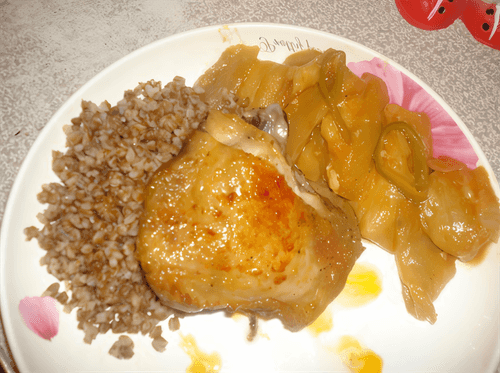
Spicy eggplants with gochujang paste is an amazing blend of French gastronomy with Korean accents. This vibrant, spicy, and warming recipe combines the tender texture of eggplants with the rich flavors of hot pepper, tomato juice, and fermented gochujang paste. Its history roots in culinary experiments that unite Eastern and Western traditions. The dish's flavor is multifaceted: soft eggplants absorb the aromas of spices while garlic and onion add depth. Gochujang adds spiciness, and tomato juice provides a slight tanginess. This dish is versatile: it can be served as a warm salad or a side to meat. Perfect for lovers of spicy flavors and unexpected gastronomic discoveries!
10
4
40
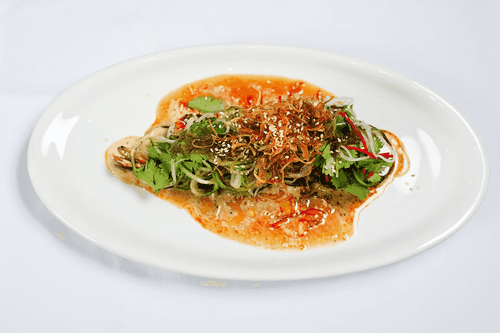
After taking over the kitchen at the Asian gastropub Roni, Rashidin Bin Abd Rashid and his longtime friend Glen Ballis, the chef of "Nedalniy Vostok", came up with a pan-Asian menu with simple, tasty and understandable food - like, for example, shrimp with zucchini with spicy "Kochudjan" paste.
18
1
10