
- Categories
- Main courses (12806)
- Bakery and desserts (12068)
- Appetizers (5704)
- Salads (4899)
- Soups (3502)
- Drinks (2372)
- Breakfast (2278)
- Pasta and pizza (1930)
- Sauces and marinades (1410)
- Sandwiches (562)
- Risotto (313)
- Broths (106)
Dried juniper berries
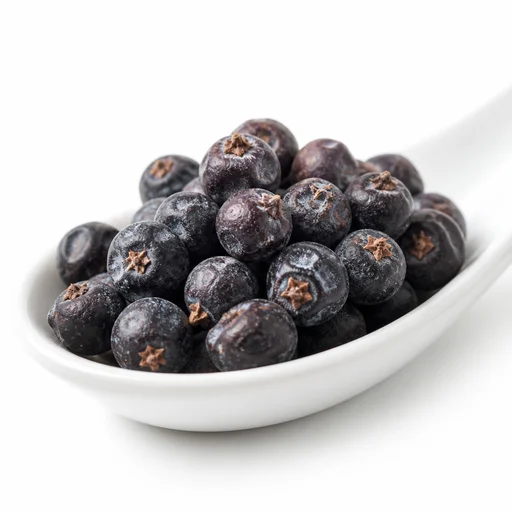
The dark blue-purple dried cone-berries of juniper with a resinous-coniferous aroma, in marinades and brines for game, pork and fish, in sauerkraut and pates.
Dried juniper berries are the dark blue-purple dried cone-berries of a coniferous shrub, with a firm wrinkled skin, a resinous-coniferous aroma with notes of pine, citrus and pepper and a sweetish-bitter resinous taste. They are lightly crushed and put into marinades and brines for game, pork and fish, into sauerkraut, pates, braised meat and sauces, and also used to flavour gin and tinctures.
Recipes with this ingredient

Duck leg confit with red cabbage and sauce is an exquisite dish of European cuisine that embodies the traditions of slow cooking meat. The confit method preserves the juiciness of duck meat, making it tender and rich in spice flavors. Red cabbage infused with the aromas of cloves, coriander, and citrus complements the dish with its light acidity. The sauce made from dried fruits and sage provides a harmonious blend of sweetness and spiciness, deepening the flavor. This dish is perfect for a leisurely dinner in a cozy atmosphere where one can savor every nuance of its flavor palette.
24
6
360
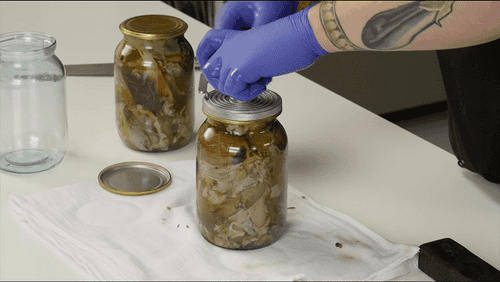
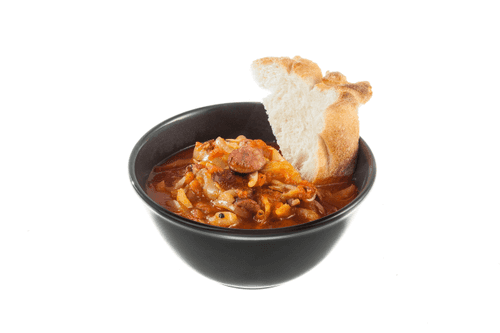
Braised sauerkraut with wine is a fragrant dish of Russian cuisine rooted in the traditions of old feasts. Sauerkraut softened by white wine takes on a delicate sweet-sour note, while spices like caraway and juniper enrich its flavor depth. Bay leaves and caramelized onions add warming nuances. This dish pairs perfectly with meat delicacies or potatoes, serving as an excellent side dish. It can be served as an independent treat, especially on winter evenings when one craves something cozy and hearty. The cabbage remains slightly crunchy, and its wine aroma fills the kitchen with warmth and comfort. Rich in vitamins and beneficial elements, it delights the palate while also providing health benefits.
9
4
30
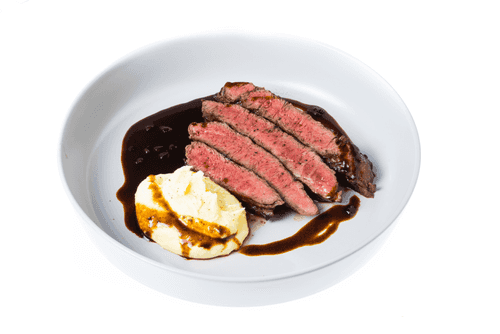
Flat iron steak with juniper sauce and mashed potatoes is a blend of British gastronomic tradition and exquisite flavor accents. The flat iron, sourced from the beef shoulder, has a tender texture and rich meaty aroma. The juniper sauce adds subtle woody notes and a slight bitterness, creating a noble flavor palette. The mashed potatoes, made with plenty of butter and milk, achieve a silky consistency that perfectly complements the meat. This dish is an excellent choice for both formal dinners and cozy family lunches, allowing one to enjoy the rich texture of the meat and the aromatic spices.
8
6
40
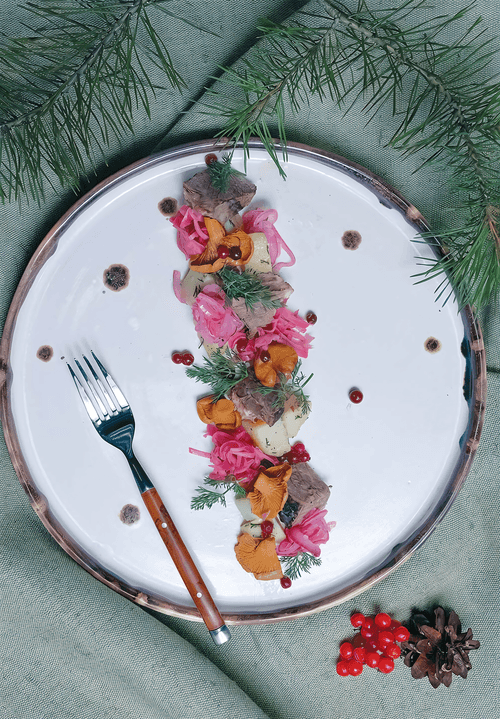
The recipe is taken from the book "The North Warms" by Rashid Rakhmanov, published by "Eksmo". "Probably, this salad combines all the ways in which the Uralians of that region prepared food for the long winters. This includes salting elk meat (corned beef), pickling cabbage, marinating mushrooms, and soaking berries (for example, lingonberries). You will find several recipes in this book in the relevant sections. I will dwell separately on corned elk meat. Like many northern dishes, corned beef appeared due to the need to store food for the long winters. This is how elk and deer meat was preserved: it was rubbed with salt and placed in a kind of refrigerator - in a hole in the frozen the ground, lined with stones, and then covered with earth. This method was common among many peoples of the North (Yakuts, Evens, Evenks, Nganasans). For me, this salad embodies the history and cultural traditions of the peoples of the Northern Urals. We use wet salting because it has some advantages over dry salting. With wet salting, salt penetrates the meat faster and is distributed evenly, the product turns out tender and moderately salty (unlike dry salting, where the meat is greatly dehydrated, becoming dry and tough ) . In addition, it is easier to saturate the salt solution with spices
15
8
60