

- Categories
- Main courses (12806)
- Bakery and desserts (12068)
- Appetizers (5704)
- Salads (4899)
- Soups (3502)
- Drinks (2372)
- Breakfast (2278)
- Pasta and pizza (1930)
- Sauces and marinades (1410)
- Sandwiches (562)
- Risotto (313)
- Broths (106)
Dried anchovies
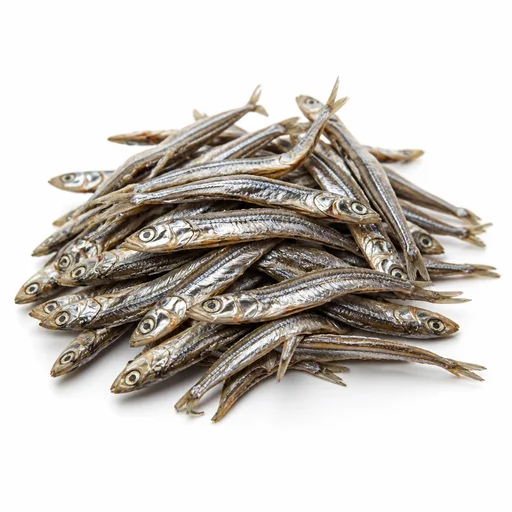
Small salted dried fish with a concentrated umami taste for Asian stocks, banchan and kimchi.
Dried anchovies are small salted and dried silver fish with a concentrated salty-fishy umami taste. They are used for Asian stocks (Korean anchovy broth, Japanese dashi), fried until crisp with nuts and soy sauce as banchan, crumbled into kimchi, sauces, dressings and rice, and also added for depth of flavour to braised dishes.
Recipes with this ingredient
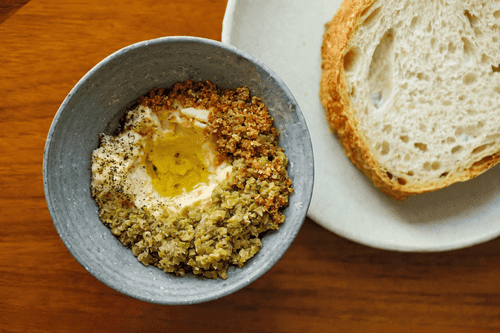
Recipe by Valery Dergachev, chef of Vinoteca Leo (Rostov-on-Don).
14
2
60

Dashi broth is the foundation of Japanese cuisine, giving dishes an umami flavor – deep and rich taste. Its history goes back centuries when the Japanese first began using seafood to make broth. Dashi has a mild salty taste with light notes of ocean freshness. It pairs perfectly with miso soup, udon noodles, sauces, and stews, enhancing their flavor and aroma. It is made from dried anchovies and kelp, giving the broth a delicate texture and a hint of weak green tea color. This is not just broth – it is the heart of Japanese gastronomy.
3
4
10
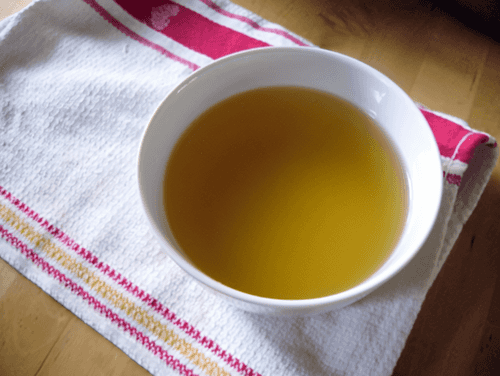
Dashi is the foundation of Japanese cuisine, a clear and fragrant broth that gives dishes a unique umami flavor. Its history dates back to ancient Japan, where dried seafood was used to create rich flavors. This broth is made from dried anchovies and kelp, giving it softness and depth. Dashi is a key ingredient in soups, sauces, and even tempura, enhancing their taste. Its subtle sea aroma makes it an ideal base for many Japanese dishes. The simplicity of preparation allows for an authentic flavor in just a few minutes, and its freshness lasts for several days. It combines tradition and craftsmanship, making it an indispensable element of Japanese gastronomy.
3
1
15