



- Categories
- Main courses (12806)
- Bakery and desserts (12068)
- Appetizers (5704)
- Salads (4899)
- Soups (3502)
- Drinks (2372)
- Breakfast (2278)
- Pasta and pizza (1930)
- Sauces and marinades (1410)
- Sandwiches (562)
- Risotto (313)
- Broths (106)
Dashi stock
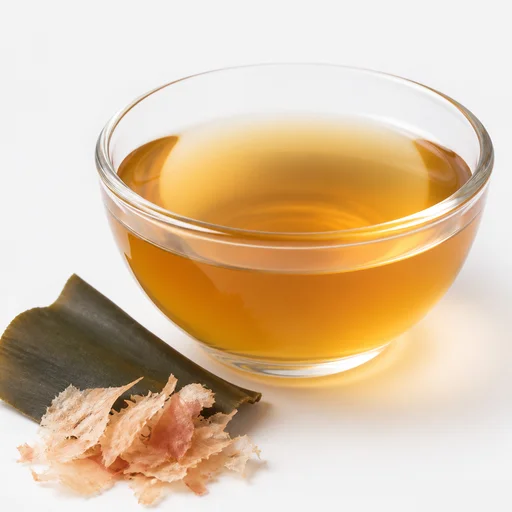
A basic Japanese stock of kombu and bonito flakes with deep umami for miso soup and udon noodles.
Dashi stock is a basic Japanese stock of kombu seaweed and bonito flakes (katsuobushi), light, with a deep umami taste and a light marine aroma. It is the base for miso soup, udon and soba noodles, tsuyu and ponzu sauces, simmered dishes, tamago omelette and stews.
Recipes with this ingredient
Recipe from the book by Thibault Villanova "Cooking like in anime. Recipes for real otaku!".
14
4
75
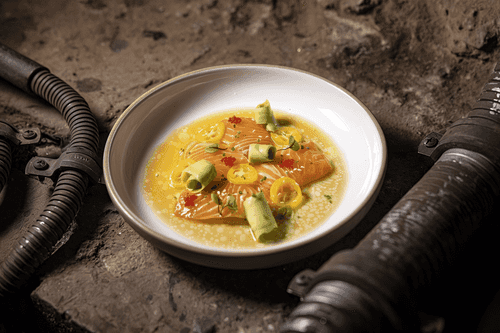
The recipe was shared by the chef of the bar "Kotelnaya" Dmitry Pogorelov.
15
7
20
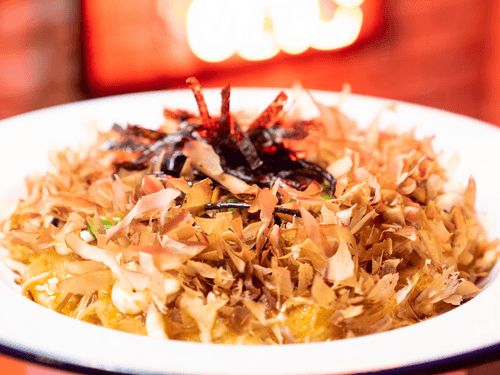
"Okonomi" in Japanese means "what you love", "yaki" - "everything that is fried on the fire". The name itself reflects the Japanese people's ardent love for cabbage pancakes okonomiyaki. The recipe is based on the pizza principle: everything that is currently in the refrigerator can become part of the pancakes. There are two traditional cooking options. The first is when a pancake made of thin tempura dough is baked separately, and then everything else is dumped on it (this is the Hiroshima and Tokyo style). The second is when chopped cabbage can be mixed into the dough, and the pancake turns out thick, like a pancake - this style is practiced in Osaka. But no matter how the relationship between the dough and cabbage develops, okonomiyaki is always decorated with curls of mayonnaise and a wiggling tuna shaving on top . Recipe from the tatinomi bar "Teburashika.
14
4
30
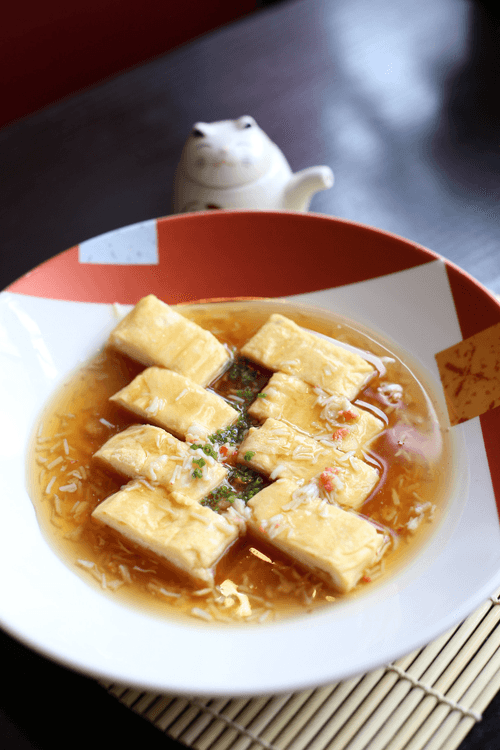
Dasimaki tamago is a delicate Japanese omelet soaked in flavorful dashi broth, giving it a refined taste with light umami notes. This omelet is an integral part of traditional Japanese cuisine, often served as a side dish to sushi or as a standalone dish. Its history dates back to the Edo period when chefs began experimenting with eggs and dashi to achieve a soft texture and rich flavor. The main feature of dasimaki tamago is its layered structure obtained by gradually rolling the omelet in a hot pan. This cooking method keeps it juicy and airy. This refined dish reveals the true essence of Japanese culinary mastery—simplicity, harmony, and deep flavor in every bite.
4
4
60
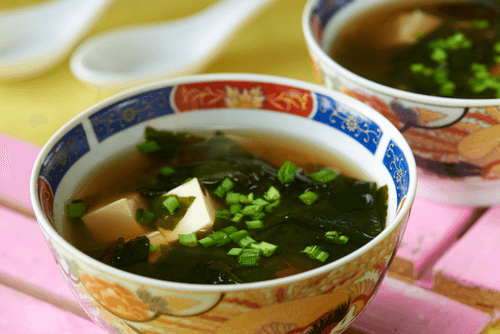
Miso soup is one of the key dishes of Japanese cuisine, combining rich umami flavor and delicate texture. Its history dates back to ancient Japan, where miso paste was used as a primary source of nutrients. The aromatic dashi broth, enriched with wakame seaweed, creates depth of flavor, while soft tofu cubes add tenderness to the soup. Green onions provide freshness and a slight sharpness. This soup not only warms but also has health benefits due to its natural ingredients. It is often served in Japanese households and restaurants as part of a traditional breakfast or a full lunch. Each spoonful of this soup is a touch of centuries-old culinary tradition that brings comfort and enjoyment.
5
4
30
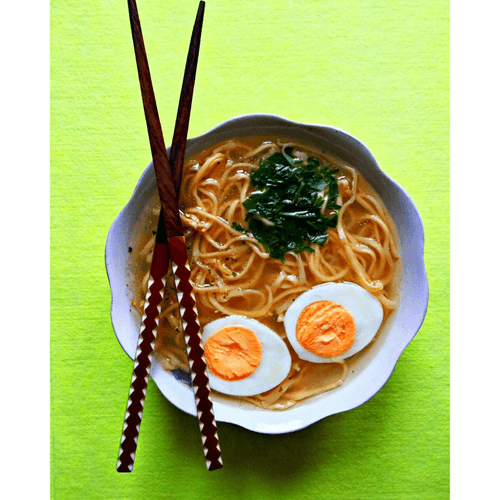
Pork ramen is a classic Japanese dish that combines rich broths, tender noodles, and aromatic chashu pork. Its history traces back to Chinese cuisine but over time ramen has become one of Japan's symbols. This version blends three types of broth to create a deep flavor enhanced by sesame oil. The noodles are cooked for just two minutes, remaining firm and perfectly complementing the spicy meat, marinated eggs, and crunchy greens. Sesame seeds add nutty notes while nori leaves provide a light sea accent. Ramen is served hot to highlight its warming and rich taste and is best enjoyed immediately after preparation while the noodles retain their texture. This dish is not only nutritious but also a true delight for gourmets, embodying the traditions and craftsmanship of Japanese cuisine.
11
4
20
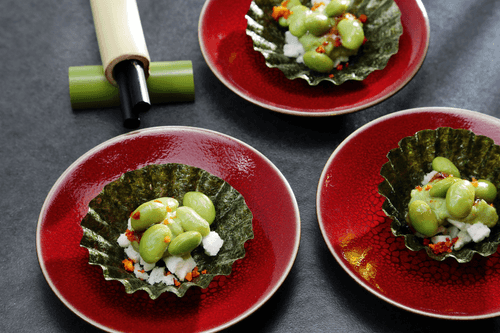
Edamame with bean cream is an exquisite Japanese appetizer that combines the tenderness of beans, the mild spiciness of jalapeño, and the depth of dashi flavor. This recipe reflects the tradition of Japanese gastronomy, which pays special attention to the balance of textures and aromas. The edamame cream with garlic and shallots achieves a velvety consistency, while the addition of rice crackers in nori baskets provides a crispy base. A delicate sauce made from dashi and soy sauce completes the composition, highlighting the natural sweetness of the beans. This dish is perfect as an elegant party appetizer or as part of a traditional Japanese dinner, pleasing both gourmets and lovers of unique flavor combinations.
10
10
25
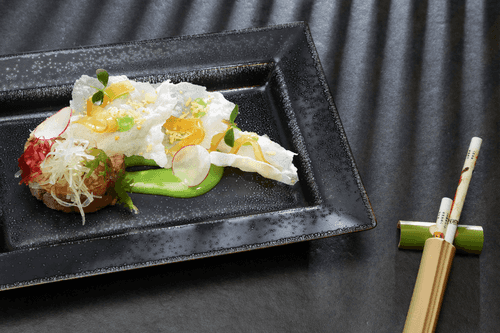
Cod liver with wasabi sauce is an exquisite dish of Pan-Asian cuisine that combines the tenderness of seafood with the spiciness of Eastern spices. This appetizer has roots in Japanese culinary traditions where a delicate balance of flavors is key. Marinated in dashi with miso paste, sake, and soy sauce, the liver acquires a rich umami flavor that harmoniously complements the wasabi. Served as a terrine with jelly marinade, crispy rice chips, and fresh apple slices makes the dish not only aesthetically appealing but also rich in textures. Refreshing radish and seaweed add a light crunch while spicy celery completes the gastronomic composition. It pairs perfectly with light white wine or sake for a refined culinary delight.
12
4
40
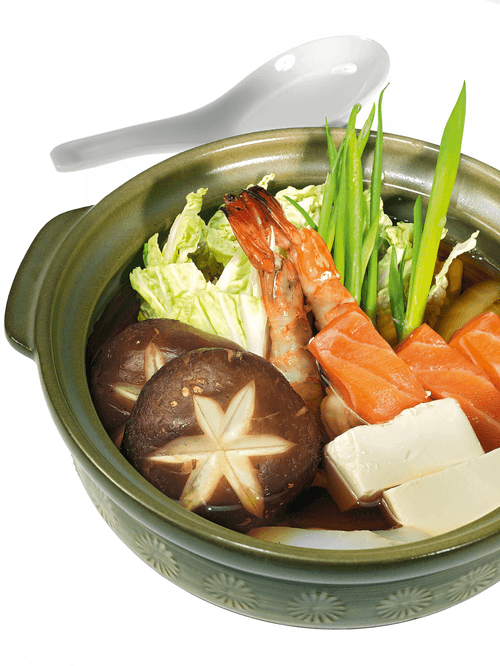
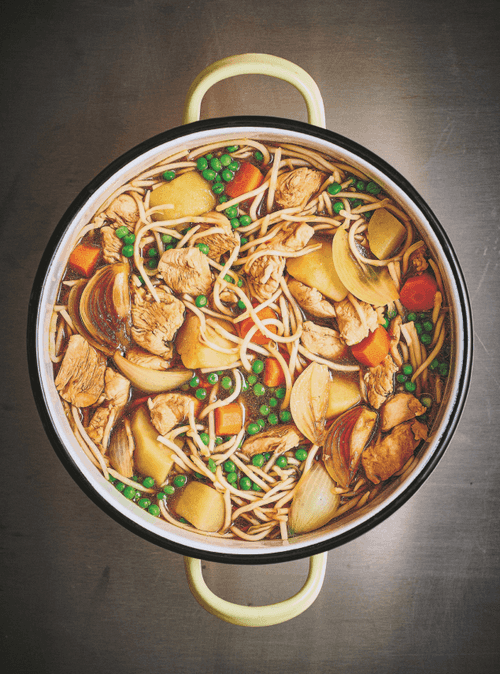
"Shiru" is a soup. And the word "yosenabe" can be roughly translated as "a pot with everything". That is, it is a Japanese solyanka - whatever is found in the house, that is what is put into this soup. And in any quantities - according to taste and availability.
15
2
15
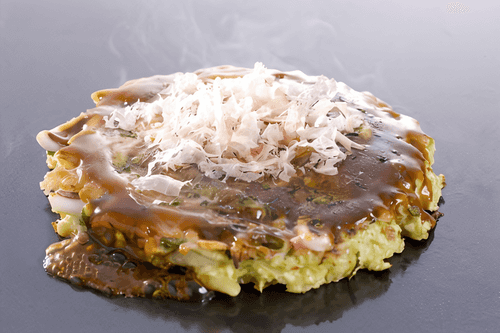
Okonomiyaki is a traditional Japanese cabbage pancake that is a true gastronomic find. Its name translates to 'grill what you like,' reflecting the freedom in ingredient choice. The birthplace of okonomiyaki is the Osaka region, where it became a popular street food. The batter filled with fresh vegetables and aromatic bacon becomes crispy on the outside and tender on the inside after frying. The rich flavor is complemented by spicy Worcestershire sauce and creamy mayonnaise, creating a perfect blend of sweetness, saltiness, and umami. Okonomiyaki is often served cut into segments to enjoy each bite. It’s not just food; it’s a little celebration of taste that combines the comfort of home cooking with the dynamism of Japanese culinary culture.
11
4
60
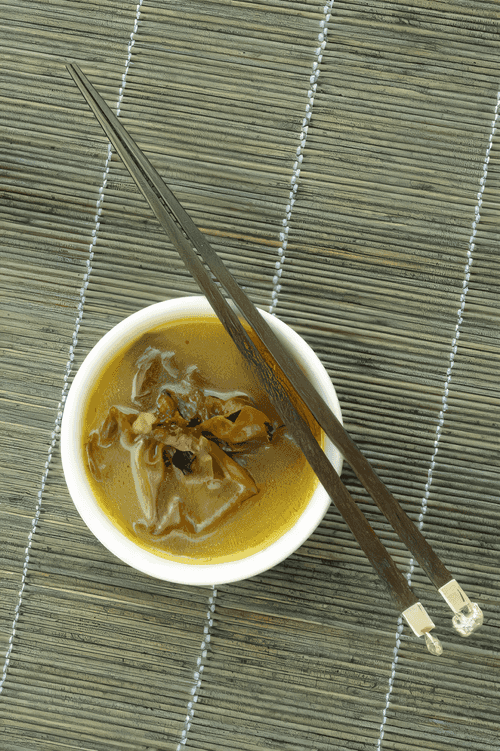
Miso soup with fried eggplants and mushrooms is a harmonious blend of Japanese tradition and European interpretation. This rich, aromatic soup combines the tender creaminess of eggplants, the deep flavor of miso paste, and the umami of mushrooms. Eggplants, pre-roasted to a golden crust, add a light sweetness and velvety texture. Mushrooms enhance the richness of the dashi broth, creating an exquisite flavor composition. This soup not only warms but also provides gastronomic pleasure with its balanced salty-sweet palette. Served with green onions that add freshness and contrast. Perfect for a cozy dinner, filling the home with aromas of Eastern cuisine.
5
4
75
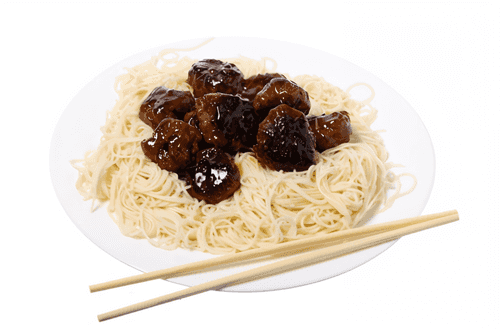
Chicken meatballs with mushrooms and spinach are a refined dish of Japanese cuisine, combining tender chicken mince, aromatic shiitake mushrooms, and fresh spinach. Shiitake, a popular ingredient in Japanese gastronomy, gives the meatballs a deep umami flavor, while sake and ginger add subtle Eastern notes. They are cooked in a delicate dashi broth with mirin, making them soft and juicy. Served with a sauce infused with the aromas of mushrooms and spices, they become a harmonious and balanced dish. It is perfect for both a home dinner and an exquisite lunch, highlighting the aesthetics of Japanese cuisine – simplicity, balance, and natural flavor.
11
2
25

Pork with vegetables, sake, and miso paste is a dish where Japanese traditions blend with the rich flavors of meat and vegetable ingredients. The recipe's origins delve deep into Japanese gastronomy, where miso and sake are essential elements of the cuisine. Bacon adds a rich aroma to the dish, while vegetables provide a balance of freshness and sweetness. Shiitake mushrooms contribute a tender texture, and dashi enhances umami notes. Cooking in a wok preserves the juiciness and natural flavors of the ingredients. It is perfect for a cozy dinner or as part of a meal that conveys the Japanese spirit.
11
4
50
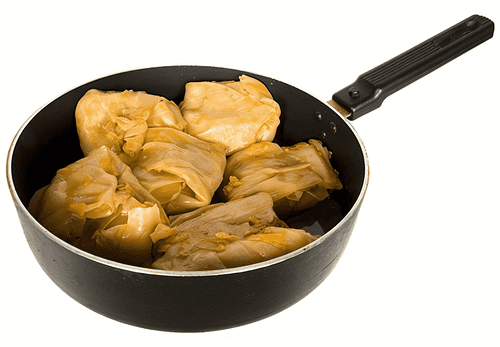
Cabbage rolls with beef, pork, green onions, and chili are a refined dish of Japanese cuisine that combines the tenderness of stewed cabbage with the rich flavor of minced meat. The origins of this recipe trace back to traditional Japanese cooking techniques where ingredients are carefully balanced for harmony of flavors. The delicate combination of beef and pork with the spiciness of chili reveals the dish's complexity, while the aromatic dashi broth adds depth to the taste. Mirin and sake bring a light sweetness, making the texture of the rolls even softer. This dish is perfect for a cozy family dinner or as an elegant treat for guests, showcasing the art of Japanese gastronomy.
13
2
35
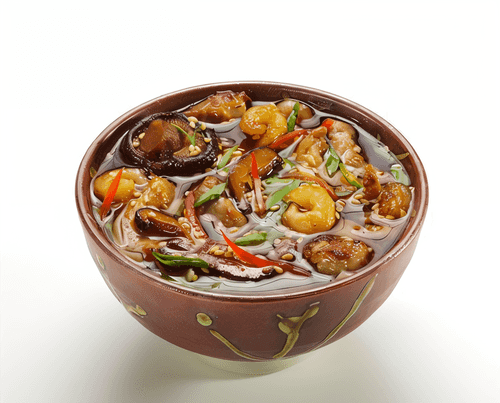
This recipe is a true embodiment of Japanese gastronomic philosophy, harmoniously blending a variety of flavors and textures. Tender chicken fillet combined with delicate shrimp is complemented by silky tofu and aromatic shiitake mushrooms. All ingredients are infused with rich dashi broth, soft notes of sake, soy sauce, and the sweetness of mirin, creating an umami-rich dish. This dish is an ideal option for a cozy dinner that evokes the atmosphere of a traditional Japanese restaurant. Ramen noodles add heartiness while fresh vegetables and herbs provide crunch and lightness. Such a combination makes this recipe not only delicious but also balanced, healthy, and visually appealing. Enjoy the tender and layered flavor that reveals the beauty of Japanese cuisine.
13
4
60