


- Categories
 Main courses(12806)
 Baking and desserts(12068)
 Appetizers(5704)
 Salads(4899)
 Soups(3502)
 Drinks(2372)
 Breakfast(2278)
 Pasta and pizza(1930)
 Sauces and marinades(1410)
 Sandwiches(562)
 Risotto(313)
 Broths(106)
Adzuki beans

Small red beans with a sweetish taste for anko paste, rice and desserts.
Adzuki beans are small red beans with a sweetish taste, popular in East Asian cooking. They are boiled and made into sweet anko paste for mochi, dorayaki and buns, and added to rice, soups, porridges and desserts.
Calories, proteins, fats and carbohydrates per 100 g of product
Adzuki beans, Raw: Calories 329.0 kcal, Proteins 19.9 grams, Fats 0.5 grams, Carbohydrates 62.9 grams per 100 g of product.
Adzuki beans, Boiled: Calories 128.0 kcal, Proteins 7.5 grams, Fats 0.1 grams, Carbohydrates 24.8 grams per 100 g of product.
Recipes with this ingredient
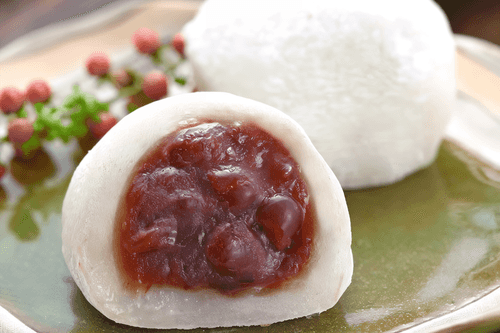
Mochi is a traditional Japanese dessert with origins dating back centuries, associated with rituals of luck and celebration. Its base is sticky rice turned into elastic dough, and the filling is a sweet adzuki bean paste. Mochi has a delicate, slightly chewy texture and a refined sweetness that harmonizes with the soft flavor of the bean filling. This dessert is often served as a sign of good wishes during New Year and other significant events in Japan. It can be enjoyed chilled or at room temperature, and cornstarch prevents the dough from sticking to hands, creating an ideal balance of convenience and taste. Mochi is not just a treat but a symbol of Japan's traditions and cultural heritage.
6
4
60

Anko is one of the symbols of Japanese cuisine, loved for its refined sweetness and delicate texture. This paste, made from adzuki beans with added sugar, has been used in traditional desserts like mochi, dorayaki, and taiyaki for centuries. Its flavor is mild, slightly nutty, with a natural sweetness that perfectly complements baked goods and sweets. Anko can be smooth or have bean pieces, creating interesting textural variations. Due to its gentle taste and natural ingredients, anko is also used in combination with ice cream, bread or even during tea time. This simple yet exquisite recipe reflects the philosophy of Japanese cuisine — respect for natural products and harmony of flavors.
3
4
120
Beans with peppers is a traditional Mexican dish that embodies the richness of flavors in this vibrant cuisine. The recipe's origins date back centuries when beans were a primary protein source for ancient peoples of the Americas. Combined with spicy seasonings and tomato sauce, it takes on a rich, slightly spicy flavor enhanced by fresh cilantro notes. Red pepper and chili add zest to the dish, making it an ideal warming treat. This dish is perfect as a standalone meal or as a side to meat or tortillas. Slow cooking the ingredients allows their flavors to develop and creates a thick, aromatic consistency that makes beans with peppers a favorite on Mexican tables. It is served with cilantro that adds freshness and balances the spiciness.
14
5
25